
Not all Green Belt is green. Some of it is grey.
Grey belt is Green Belt land that does little to stop towns sprawling or merging. Since December 2024 it has had its own route to planning permission, and the August 2026 rules widened it again. Here is what it means, how it works and what has happened at appeal.
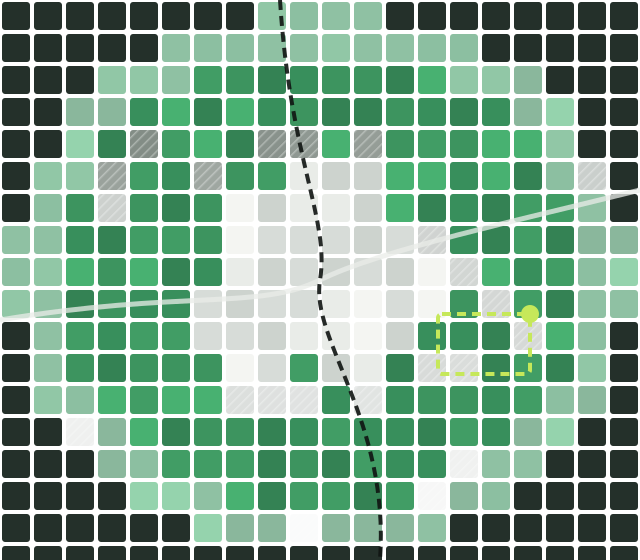
Four kinds of land, one belt.
Green Belt is a planning designation, not a description of the landscape. It can include farmland, woods, golf courses, scrapyards and petrol stations. Grey belt picks out the parts that do least for the Green Belt's main jobs.
Green Belt
Land kept permanently open around towns and cities. Building is "inappropriate" unless an exception applies.
Grey belt
Green Belt land, previously developed or not, that does not strongly help to stop sprawl, stop towns merging or protect historic towns.
Brownfield
Previously developed land: land with a lawful permanent building or structure on it. It can be inside or outside the Green Belt.
Greenfield
Land never built on. Most Green Belt is greenfield, and greenfield Green Belt can still be grey belt.
Twenty months, two Frameworks.
Grey belt arrived in the December 2024 National Planning Policy Framework, was fleshed out by guidance in February 2025, and was rewritten in the August 2026 Framework, which removed an important exclusion.
Grey belt enters national policy
NPPF paragraph 155 creates a route for development on grey belt, with "Golden Rules" for major housing.
Guidance on how to assess it
Planning Practice Guidance sets out strong, moderate and weak contributions, and confirms villages are not "towns".
Draft new NPPF
Proposes dropping the footnote 7 exclusion and moving the method into the Framework.
Wrotham judgment
The High Court confirms that footnote 7 harm was judged against the actual proposal, not the land in the abstract.
New NPPF in force
Policies GB1–GB8 and Annex E. Grey belt no longer excludes land just because of footnote 7 assets. New station-led route.
Yes: within weeks of publication.
Inspectors began applying the August 2026 policies straight away. Grey belt status is often accepted, but schemes still fail on location, need, character or other harm. Grey belt is the first test, not the only one.
| Site | Council | Scheme | Rules | Outcome |
|---|
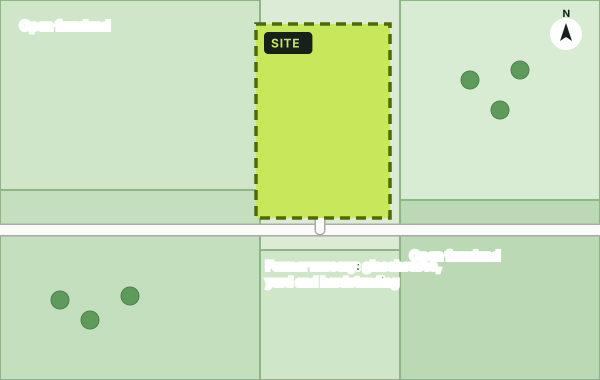
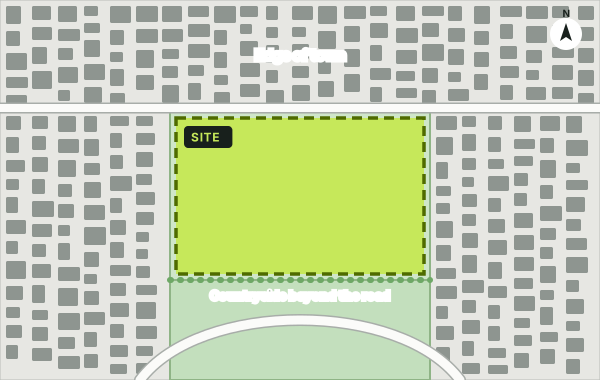
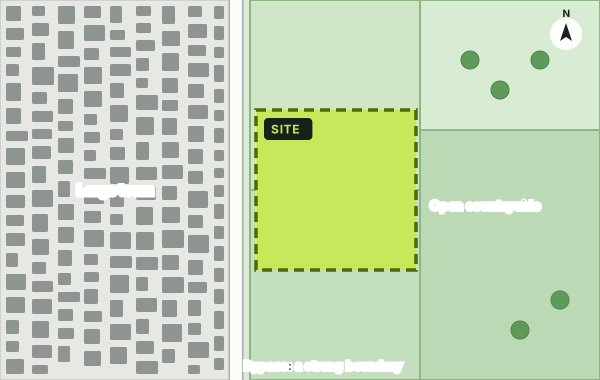
What grey belt looks like on the ground.
Illustrated site types, each linked to a real appeal decision: what made the land grey belt, or kept it Green Belt.
Councils are mapping their grey belt.
Every authority with Green Belt must now base its Local Plan on a Green Belt assessment that identifies grey belt (policy GB2). London, Guildford, Solihull, Sutton, Sandwell and others have already published. We track them, and estimate what the change could mean for housing supply.
Our illustrative estimate
homes over about ten years in our central scenario, within a range of roughly 130,000 to 1.6 million depending on how much land qualifies and comes forward.
Try the assumptions yourself →Own land in the Green Belt?
Find out whether it could be grey belt, which route to permission might apply, and what the Golden Rules would ask of a scheme.